Define the surfaces and finish before choosing a method
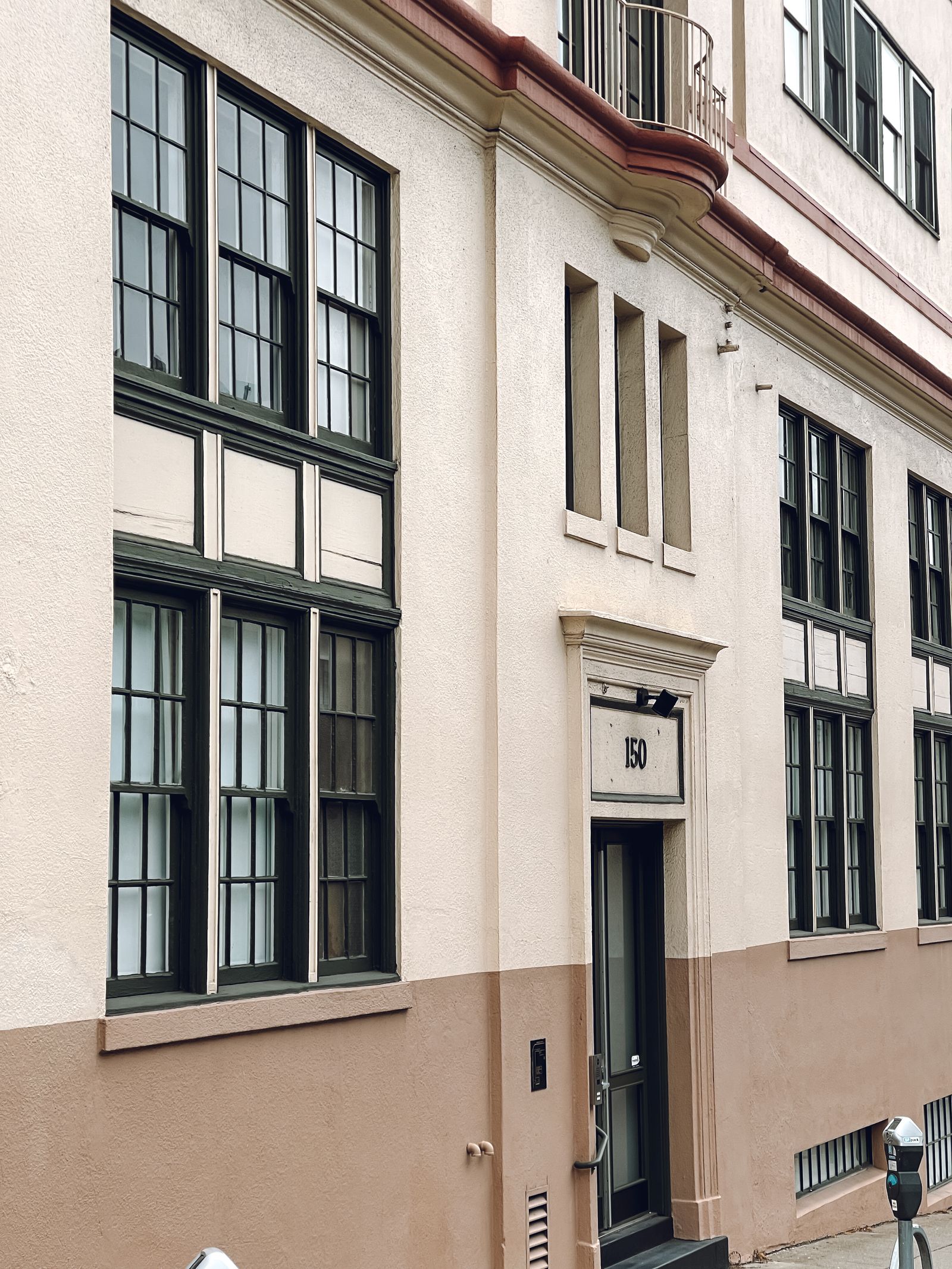
Nashville commercial buildings frequently combine brick, precast, concrete, stucco, EIFS, painted masonry, metal panels, stone accents, storefront glass, sealants, canopies, and surfaces from later additions. Those materials can respond differently to water pressure, chemistry, dwell time, temperature, and rinse volume. A broad exterior wash may be suitable for compatible organic growth, pollen film, bird residue, roof-runoff streaks, and atmospheric soil. That same process should not be assumed to remove oxidation, rust, efflorescence, hard-water deposits, construction residue, etched glass, failed coatings, or deteriorated joints.
The requested finish matters as much as the stain. A property manager may want a visible facade reset before a lease tour, while a hotel may need a clean entrance, canopy, and sign band before a high-occupancy weekend. Upper glass that only needs wetting and rinsing is a different scope from windows that must receive contact cleaning, scraping, mineral restoration, or a squeegee finish. We identify those expectations in the quote so the property receives a realistic result and a clear list of exclusions.
- Separate brick, precast, concrete, glass, metal, EIFS, stucco, and painted zones.
- Identify organic growth, traffic film, mineral deposits, oxidation, and pre-existing damage.
- Define whether the goal is a maintenance rinse, facade refresh, or detailed finish.
- Keep leak diagnosis, repairs, coating work, and restoration outside a routine wash scope.
Schedule around Nashville neighborhoods and property operations
Downtown Nashville, Lower Broadway, SoBro, the Gulch, and Music Row can place cleaning close to pedestrians, rideshare activity, deliveries, restaurants, hotels, venues, and event traffic. A property near Bridgestone Arena, Nissan Stadium, or the Music City Center may have a quiet window that changes sharply on a game, concert, convention, or festival day. Green Hills and Belle Meade properties may combine retail, office, residential, and landscaped areas, while Opryland and the airport corridor can involve hotel arrivals, shuttles, buses, loading operations, and conference schedules. These neighborhood conditions guide the questions; the address and property team determine the actual plan.
Before quoting, we ask about guest or tenant entrances, accessible routes, valet, parking, loading docks, outdoor dining, pool areas, deliveries, security rules, emergency access, and the hours when a work zone can be understood by staff and visitors. A long facade can be divided into phases so one entrance remains available while another elevation is treated. A medical campus may need patient movement protected, a hotel may need breakfast and checkout respected, and a retail center may need work completed before opening. The proposal should state the sequence, temporary controls, handback standard, and conditions that require a pause or reschedule.
Plan for Nashville heat, humidity, storms, and changing stains
Nashville summers bring heat, direct sun, humidity, and fast changes in weather. A sunny wall can dry a product differently from a shaded north elevation, while warm surfaces may reduce workable dwell time. Thunderstorms can bring lightning, gusts, heavy rain, reduced visibility, and sudden runoff. Spring pollen may settle on dark cladding, glass, ledges, and canopies, and tree-lined properties can resoil faster than exposed commercial sites. A useful maintenance recommendation accounts for these conditions instead of promising that one annual visit will produce the same result on every building.
Shade, roof discharge, irrigation, clogged gutters, failed sealants, and trapped moisture can create repeating discoloration. Cleaning may improve compatible growth and film, but it will not correct a leaking downspout, damaged envelope, blocked drain, or defective coating. If the same streak returns in the same line, the closeout record should flag the likely building or site condition for the facilities team. We also consider temperature, surface moisture, wind, precipitation, and walking conditions before starting. A scheduled date is a target window, not a reason to continue through unsafe weather.
Use drone-assisted cleaning where the Nashville site supports it
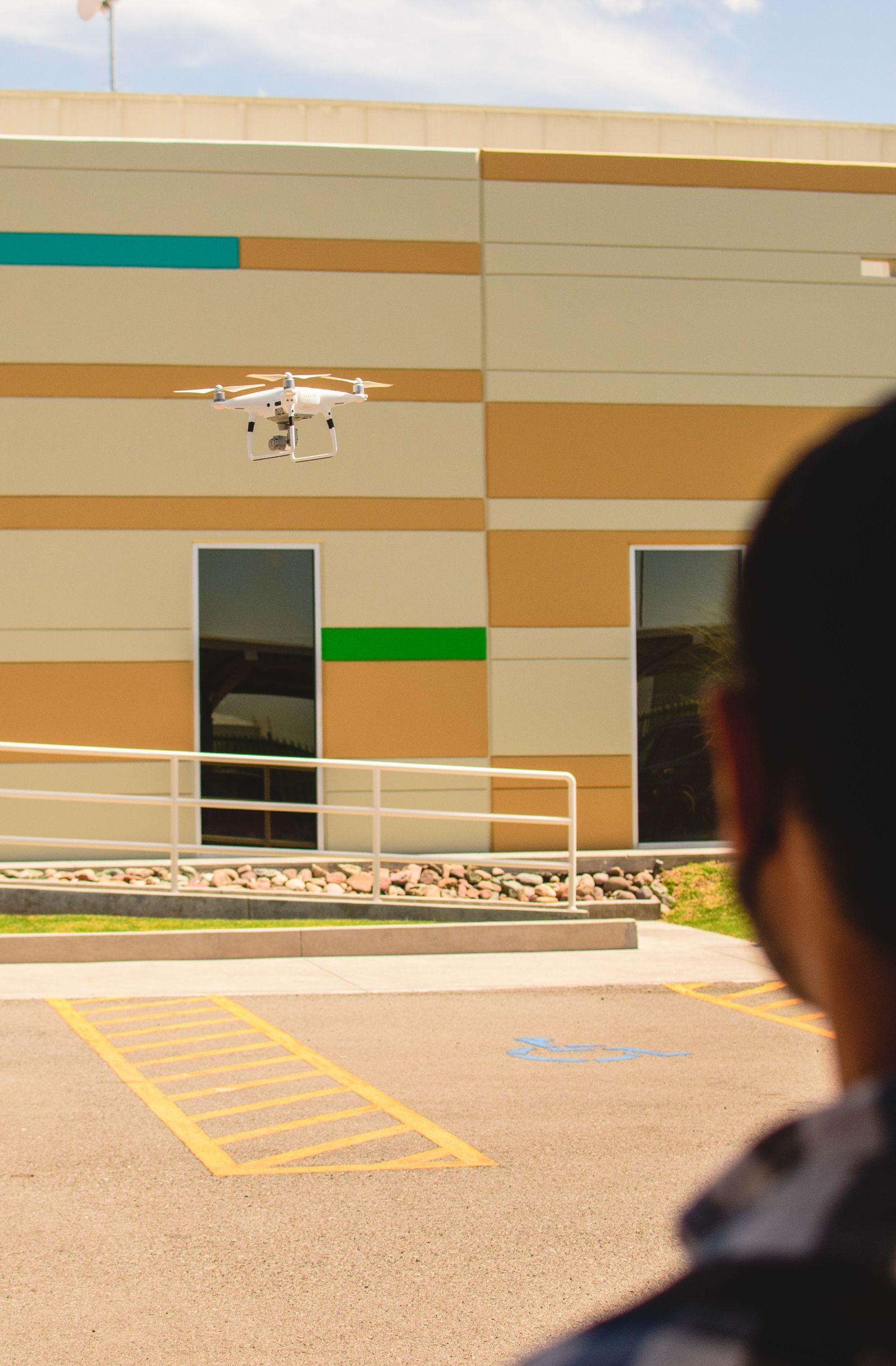
Drone-assisted application or rinsing can be useful on selected upper facade zones when there is clear stand-off distance, a workable launch and recovery area, visual control, manageable wind, safe hose behavior, and a ground team able to protect people and property. It may reduce lift repositioning for a broad compatible wall or upper ledge program. The aircraft is a delivery and access tool; the final result still depends on material, stain, chemistry, water quality, weather, and the finish the owner expects.
Dense blocks, balconies, wires, trees, canopies, rooftop equipment, neighboring buildings, public streets, and event crowds can limit aerial work in central Nashville. Properties near Nashville International Airport, John C. Tune Airport, heliports, stadiums, or temporary event areas require current airspace and site review. Commercial small-UAS operations must follow applicable FAA rules and any authorization the location requires. Property permission does not replace aviation requirements. If the work area cannot be controlled, a lift, water-fed pole, roof-access method, hand detail, or different date may be the better recommendation.
Contact access remains appropriate for squeegee-finish glass, scraping, bonded construction residue, mineral restoration, recessed details, and repairs. A hybrid scope can use drone-assisted rinsing on broad upper walls, a pole or lift at a canopy, and hand detail around doors or windows. We define those boundaries in the quote so the property buys the finish it needs rather than assuming one tool can perform every task.
Protect guests, tenants, landscaping, and stormwater paths
An occupied commercial property needs a visible and manageable work zone. We review cones, barricades, spotters, hose crossings, accessible routes, open doors, parked vehicles, cameras, lighting, signs, air intakes, outdoor seating, landscaping, and emergency paths. A hotel or restaurant may need the sequence moved around arrivals, meals, deliveries, or a private event. An office or medical property may need coordination with security, facilities, patients, and tenant representatives. The work plan should make it clear who can pause the operation when an unexpected person, vehicle, or weather change enters the zone.
Water can travel from an upper facade through gutters, pavement slopes, loading areas, landscaped beds, curb lines, and storm inlets. Nashville properties may include structured parking, bioswales, planted medians, and public sidewalks immediately below the service area. Before rinsing, identify water access, low points, drains, sensitive equipment, neighboring property, and any required controls. The applicable approach depends on the products, soil, rinse volume, drainage, and current site requirements. We do not treat a visible catch basin as automatic permission to discharge wash water into it. The proposal should state what is known, what must be confirmed, and what happens if observed flow differs from the original plan.
- Map drains, slopes, landscaping, doors, public paths, vehicles, and hose routes.
- Coordinate work with deliveries, guests, tenants, accessible travel, and emergency access.
- Set heat, wind, rain, lightning, visibility, and water-path pause triggers.
- Photograph completed elevations and record deferred or specialty conditions.
Request a Nashville quote built around priority elevations
Send the property address, recent wide and close photos, approximate height, facade materials if known, target elevations, visible stains, available water, preferred dates, and restrictions involving tenants, guests, parking, deliveries, events, or outdoor seating. Tell us whether the priority is a hotel entrance, canopy, upper organic staining, office facade, retail frontage, pre-event cleanup, or recurring maintenance. Include prior reports about leaks, coatings, mineral deposits, repairs, or failed sealants so routine cleaning is not mistaken for restoration or building-envelope work.
A useful proposal names the included zones, expected method, access approach, finish limitations, exclusions, guest or tenant controls, drainage assumptions, weather contingency, and closeout documentation. It should identify where drone assistance may reduce setup and where ground, pole, lift, or contact access remains necessary. We can then recommend a one-time appearance reset, a phased priority program, or recurring exterior care based on observed resoiling and the property's calendar. Call +1 239-351-2897, email contact@dronebuildingcleaners.com, or submit the quote form with the building details. We will review the site and prepare a Nashville-specific next step.