Soft washing and pressure washing solve different problems
Soft washing is often considered when compatible organic growth, pollen film, mildew-like discoloration, or atmospheric soil needs treatment without relying on high impact force. The process still requires the correct product, dwell time, rinse, test area, and protection plan. Pressure washing can be useful for selected durable concrete, loading areas, sidewalks, or other hard surfaces where water force is a controlled part of the cleaning action. It can also damage softer masonry, coatings, mortar, sealants, or adjacent components when used without a material-specific plan.
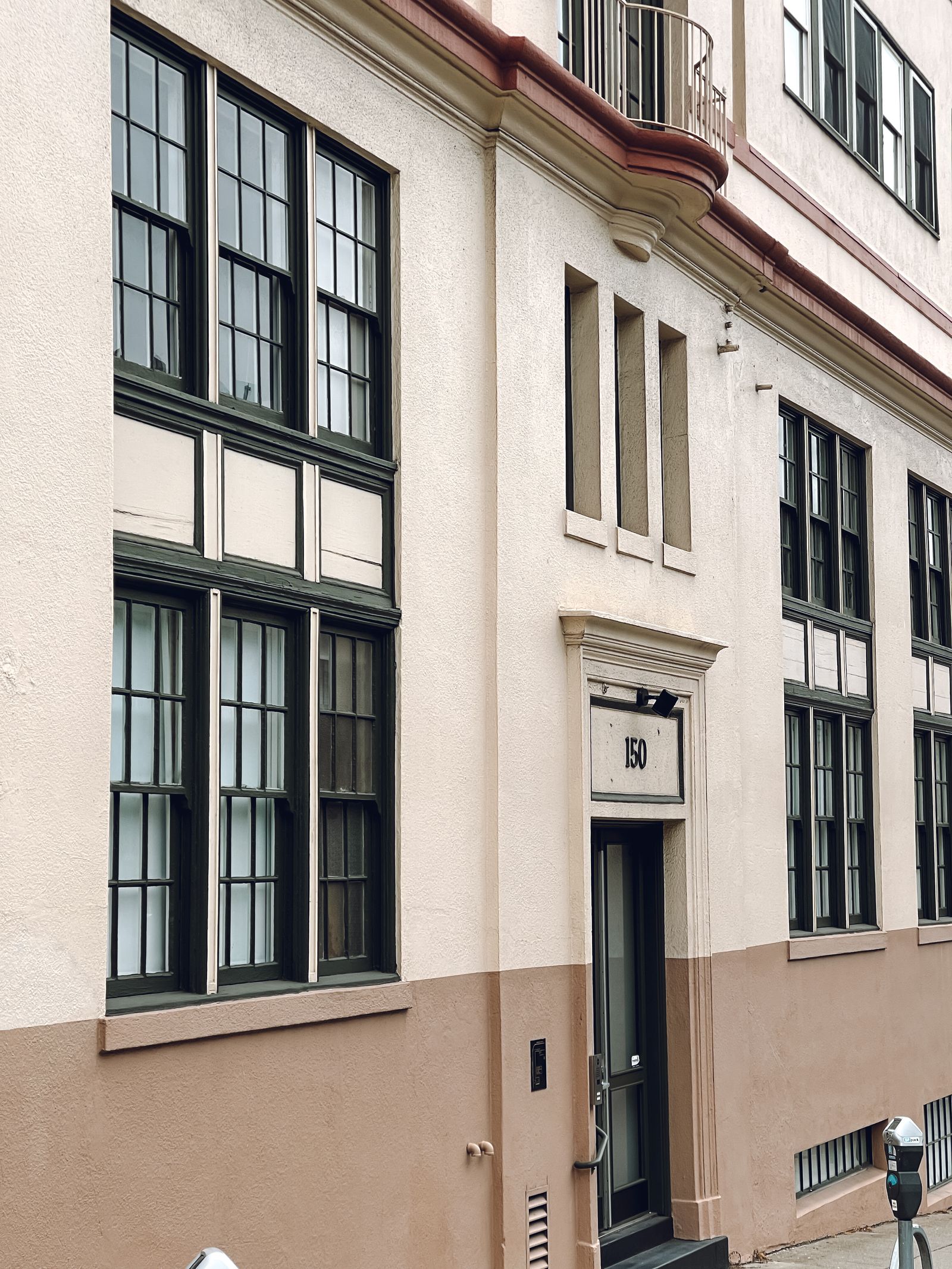
A commercial elevation may contain several substrates within a few feet. A Nashville hotel entrance can combine brick, precast, glass, metal trim, a painted canopy, stone, and sealants. A retail center can add awnings, signage, storefront windows, bollards, and landscaped islands. The pressure that helps a durable slab may be wrong for EIFS above the entrance. Divide the property into zones, define the finish for each, and test uncertain areas before treating a recommendation as a complete scope.
Identify the stain before increasing pressure
Nashville properties may collect spring pollen, traffic film, bird residue, roof-runoff streaks, algae or mildew-like growth in shade, dust from construction, and grime near busy roads. A controlled rinse or compatible soft-wash treatment may improve some of those conditions. The same dark appearance can also come from oxidation, rust, efflorescence, mineral deposits, soot, failed paint, or a shadow cast by deteriorated material. Increasing pressure without identifying the deposit may spread water, etch a surface, remove a coating, or leave the root problem untouched.
Neighborhood context changes exposure. Lower Broadway and SoBro properties can see heavy foot traffic, event activity, food-service residue, and frequent delivery movement. Buildings near Briley Parkway or I-24 may collect road film on lower walls. Shaded properties in Belle Meade, Green Hills, or established residential-commercial corridors may hold moisture and organic material longer. A facility near the airport may have large exposed walls, vehicle movement, and a different wind pattern. Those conditions should influence the inspection and the proposed method, not become unsupported claims about a specific building.
Use a finish standard that the customer can recognize
A building owner should decide what success looks like before approving a method. A maintenance rinse may be enough for loose pollen on an upper wall. A hotel may need a sharper entrance and canopy appearance for guests. A retail manager may prioritize the street-facing elevation, sign band, and storefront glass. A property preparing for an inspection may need photos, deferred-condition notes, and a clean handback more than a broad cosmetic wash. The scope should state which stains are expected to improve and which conditions may remain.
Soft washing does not automatically create a contact-cleaned window result. Drone-assisted wetting and rinsing may support compatible upper glass where a rinse finish is acceptable, but it cannot squeegee each pane, scrape bonded residue, polish mineral deposits, or detail every frame. Pressure washing also does not replace hand work around doors, corners, fixtures, and architectural details. A hybrid scope may be the most honest choice: soft wash for a compatible facade, controlled pressure for a durable service area, and contact detail for visible glass or stubborn deposits.
Nashville heat and storms change the work window
Summer heat and direct sun can dry a wall or cleaning solution unevenly. Humidity can keep shaded surfaces wet, while afternoon thunderstorms can bring lightning, gusts, heavy rain, and fast-moving runoff. Spring pollen may produce a quick new film after a successful cleaning, and tree cover can make a north-facing elevation resoil faster than a sunny wall. The right plan may use smaller zones, different application timing, protected staging, or a reschedule trigger based on wind, temperature, precipitation, surface moisture, and visibility.
Weather is also an operations issue. A downtown property may have a concert or convention that changes pedestrian routes with little notice. A hotel may have a high-occupancy weekend, wedding, breakfast period, or bus arrival that makes a planned work zone unavailable. A medical or office property may need a quiet window for patients or employees. The proposal should identify the target window and the conditions that stop work, rather than treat a calendar date as a guarantee that the method will behave the same way.
Drone assistance is an access option, not a cleaning guarantee
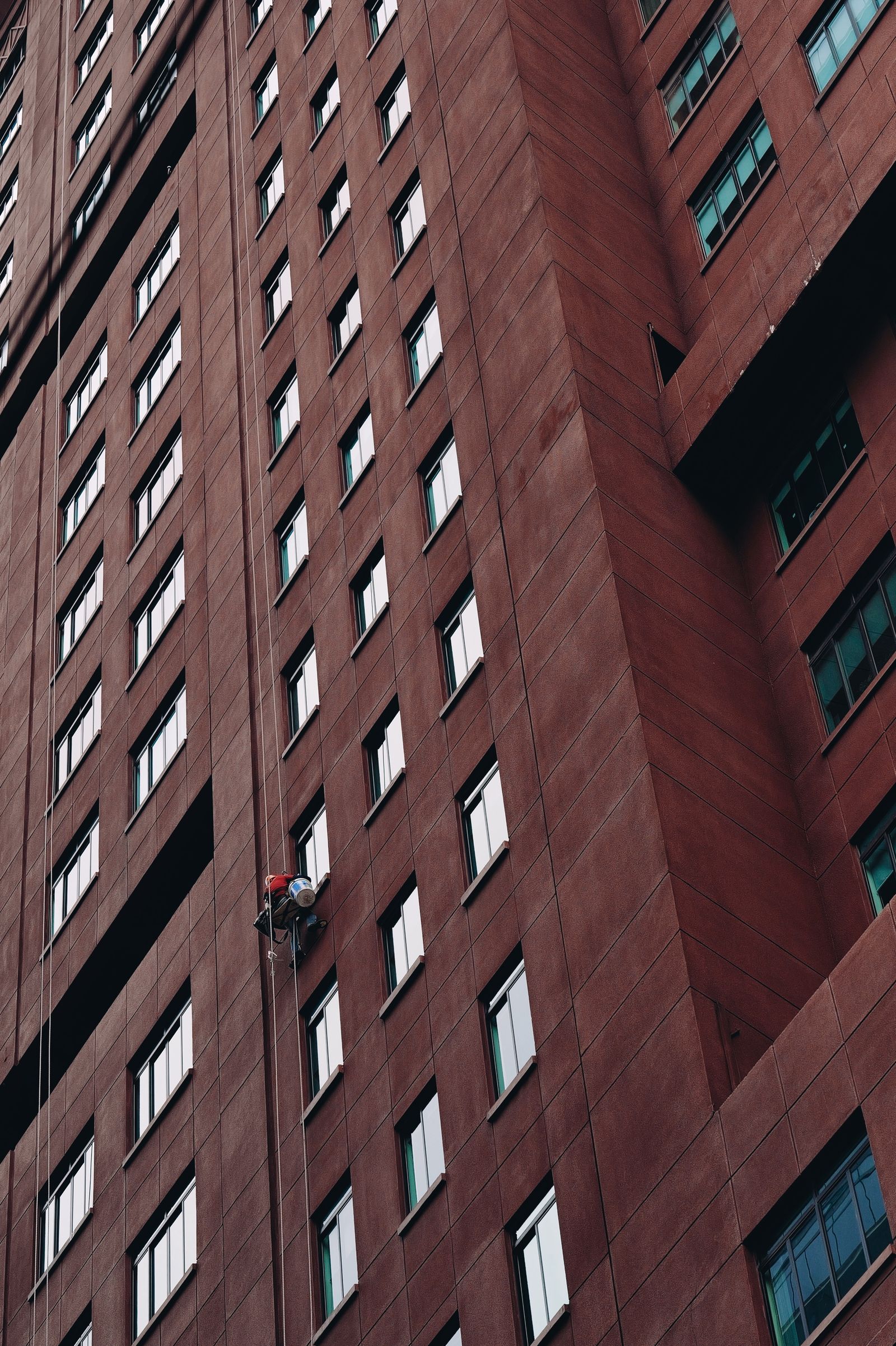
Drone-assisted application or rinsing may be useful where an upper elevation has safe stand-off distance, clear visual control, a workable launch area, manageable wind, and enough ground space for spotters, equipment, people, and water management. It can reduce some lift staging on a broad compatible wall. It cannot remove the need to inspect the material, define the finish, protect the public, comply with aviation rules, or use contact access where the customer expects a detailed result.
Nashville's dense blocks, overhead wires, trees, balconies, rooftop equipment, public roads, venues, airports, and adjacent structures can make a flight unsuitable on one elevation and workable on another. FAA commercial small-UAS requirements and any applicable airspace authorization must be reviewed for the current site and date. A property manager's approval is not an aviation waiver. If the area below cannot be controlled or the wind moves the rinse path, the plan should shift to a lift, pole, roof-access method, hand detail, or another window.
Compare water management and closeout, not just cleaning speed
The fastest-looking method can create a poor commercial result if water moves across a public sidewalk, loading area, landscape bed, open door, or storm inlet without a plan. Nashville buildings may drain toward curb lines, structured parking, planted areas, bioswales, or neighboring property. Before work, identify water access, hose routes, low points, drains, sensitive equipment, people, vehicles, and required controls. The appropriate response depends on the products, soil, rinse volume, drainage, and current site requirements. A contractor should state assumptions and stop conditions clearly.
Closeout is part of the comparison. A professional scope should document completed elevations, deferred areas, weather interruptions, remaining deposits, damage or repairs observed, access limitations, and recommended next steps. The record helps a facilities team decide whether the next visit needs a rinse, soft wash, pressure on a specific hard surface, contact detail, restoration, or no immediate work. It also gives ownership a way to compare a one-time reset with a recurring maintenance program without pretending every Nashville property has the same exposure.
- Name the substrate and stain for each service zone.
- State the expected finish, exclusions, and any test-area requirement.
- Confirm public controls, weather limits, airspace, water access, and drainage.
- Record completed work, remaining conditions, and recommended follow-up.
How to request the right Nashville commercial cleaning quote
Send the property address, photographs of each elevation, close-ups of staining, approximate height, facade materials if known, priority areas, desired finish, preferred work window, water access, drainage concerns, and restrictions around guests, tenants, deliveries, vehicles, or events. Mention whether the property is near an airport, stadium, venue, medical campus, or dense pedestrian area when that affects planning. Prior reports about leaks, failed sealants, coatings, mineral deposits, or repairs can prevent a routine cleaning request from being priced as if it were restoration.
Ask the provider to explain which areas are suitable for soft washing, which need controlled pressure, where drone assistance may help, and where a pole, lift, or contact method is still necessary. The proposal should connect the method to the surface and desired finish, include operational controls, name weather and water-management assumptions, and provide a clear closeout standard. Drone Building Cleaners can review those details and develop a Nashville-specific recommendation for an office, hotel, medical property, retail center, campus, warehouse, or mixed-use building. Call +1 239-351-2897, email contact@dronebuildingcleaners.com, or use the quote form to start the review.